A garden like nowhere else on Earth
Every great city has a park. Very few have a national botanical garden draped across the slopes of a mountain, dedicated almost entirely to indigenous plants, and recognised as part of a UNESCO World Heritage Site. Kirstenbosch, founded in 1913, was one of the first botanical gardens in the world created to protect a country's own flora — and what flora it is.
The Cape Peninsula belongs to the Cape Floral Kingdom — the smallest of the world's six floral kingdoms and, hectare for hectare, the richest. This one small corner of Africa holds more plant species than the whole of the British Isles. Kirstenbosch is its showcase: 528 hectares of fynbos, forest and themed gardens flowing up the mountainside until cultivation gives way to wild protea slopes.
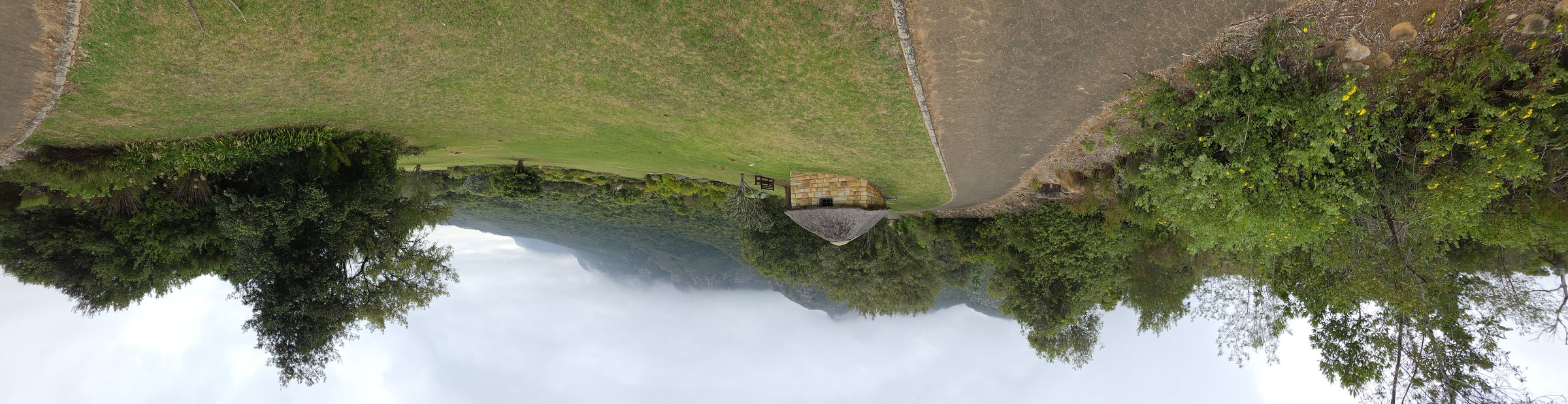
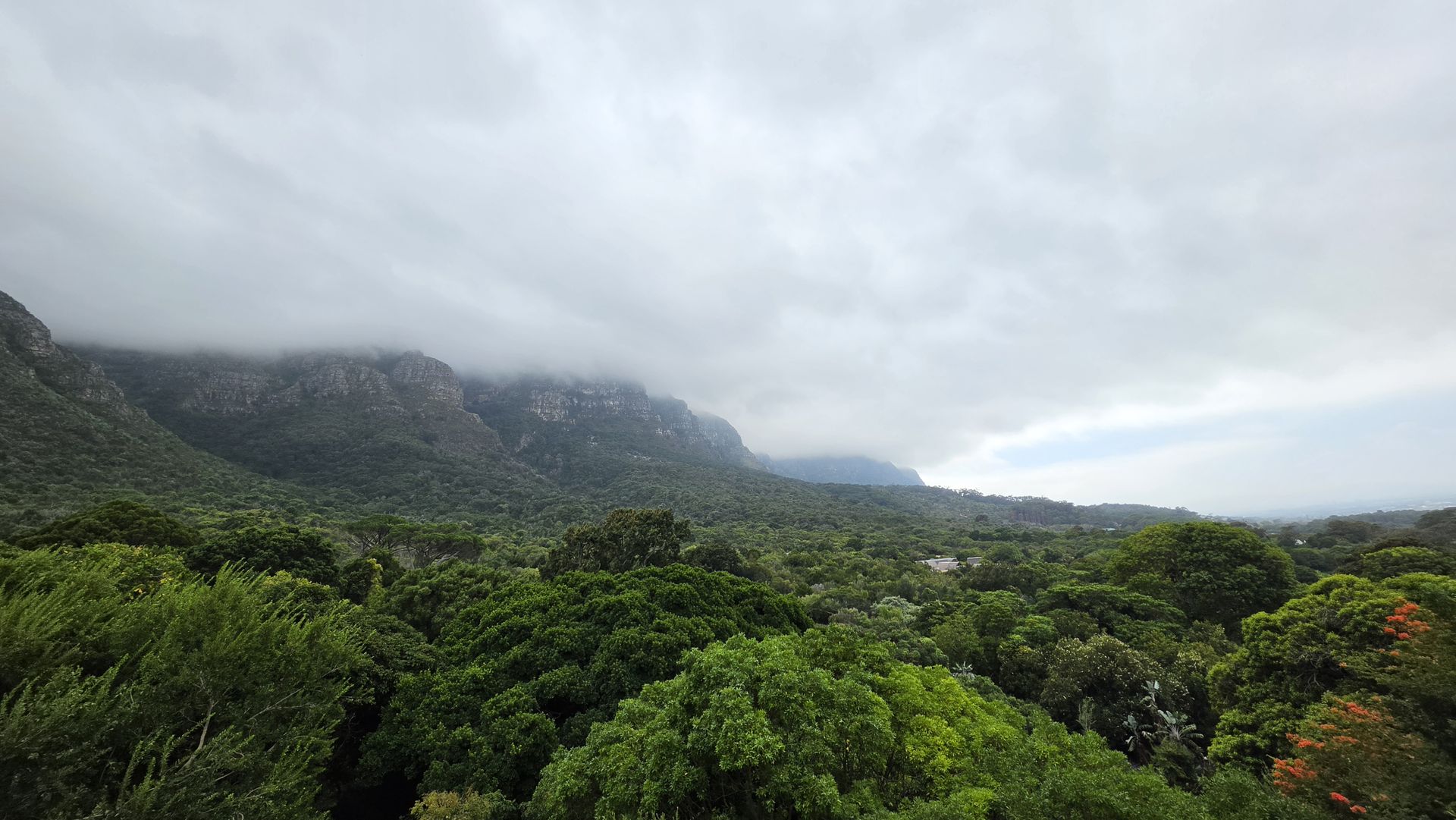
Winter mist rolling over the slopes above the garden — moody, green and wonderfully quiet.
Meet the king protea
South Africa's national flower grows here in abundance, and seeing one up close for the first time is a genuine moment — the king protea is enormous, sculptural, almost otherworldly, with silvery bracts opening around a crown of pink and white.
And here's the part most visitors get wrong: proteas are not summer flowers. Winter and early spring are protea season at Kirstenbosch. Visit between June and October and the protea garden is in full bloom — with orange-breasted sunbirds and Cape sugarbirds working the flower heads for nectar. It's one of the best free wildlife shows in Cape Town.
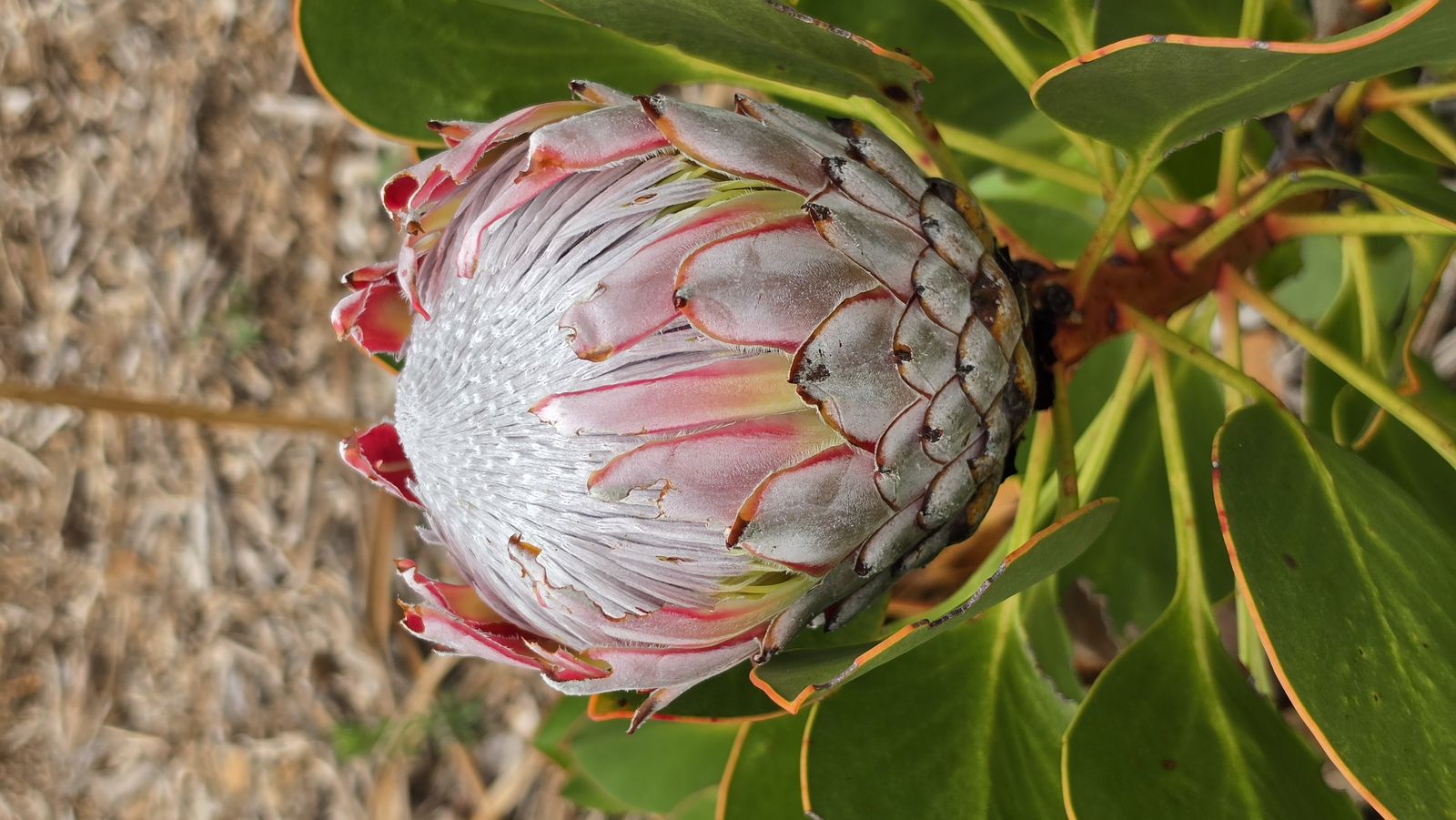
The king protea — South Africa's national flower, at its best in the cooler months.
Walk the Boomslang
The garden's most famous modern addition is the Centenary Tree Canopy Walkway — nicknamed the "Boomslang" (tree snake) for the way it curves and undulates through and above the treetops. The steel-and-timber bridge lifts you into the canopy and then above it, opening out onto a view across the whole garden, the Cape Flats and the mountains beyond. On a misty winter morning, you're walking at eye level with the clouds.
What else to see
- The Protea Garden — at its peak right now, in the cooler months.
- The Dell & Colonel Bird's Bath — the oldest corner of the garden, a spring-fed pool ringed by tree ferns.
- Camphor Avenue — planted in 1898, a cathedral of trees leading up the garden's spine.
- The Fragrance & Useful Plants gardens — touch, crush and smell your way through Cape herbal tradition.
- Summer sunset concerts — from November to April, the lawns fill for open-air concerts beneath the mountain. A Cape Town institution.
- The wild slopes — paths continue up into Table Mountain National Park; serious walkers can climb Skeleton Gorge straight from the garden.
When to visit
Kirstenbosch rewards every season differently. Winter (June–August) brings proteas, mist, empty paths and that deep drenched green you see in these photos. Spring (September–October) layers wildflowers on top. Summer brings the concerts and long golden evenings. There is genuinely no wrong time — only different gardens.
Visiting with Cheryl
Kirstenbosch sits in the leafy southern suburbs, about 25 minutes from the city centre — and it pairs beautifully with the neighbouring Constantia wine valley (South Africa's oldest wine farms are ten minutes away) or as a gentle counterpoint to a Peninsula day. Cheryl times garden visits for the quiet hours, knows which gates put you closest to the proteas, and will happily build a full "green day" around it: Kirstenbosch in the morning, a Constantia tasting and long lunch after.