The most photographed streets in Cape Town
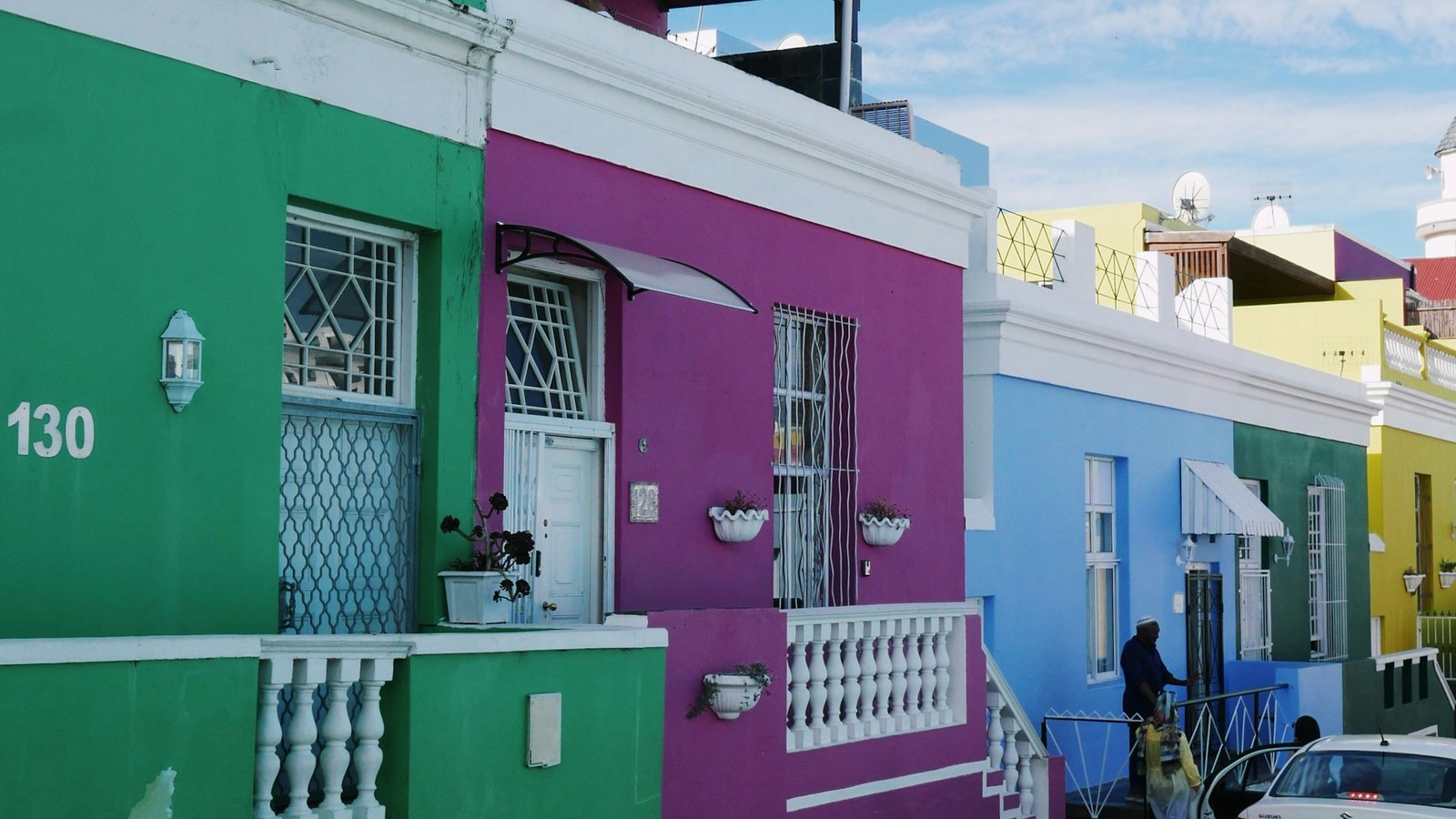
Rows of houses in electric green, hot pink, cobalt blue and sunflower yellow, tumbling down a cobbled slope with Table Mountain and Signal Hill for a backdrop — the Bo-Kaap is, without much argument, the most photographed neighbourhood in Cape Town. You've almost certainly seen it before you arrive: it's on postcards, magazine covers and a good chunk of the city's Instagram feed.
But the Bo-Kaap is far more than a pretty photo. It's one of the oldest residential areas in Cape Town and the historic heart of the Cape Malay community — a living neighbourhood with a deep, moving story that the colours only hint at. Understanding a little of that story is what turns a quick photo stop into one of the most memorable half-hours of a Cape Town visit.
Why the houses are painted such bright colours
Ask ten people and you may get several answers — but the story most often told is a beautiful one. Many of the area's original residents were people who had been enslaved, brought to the Cape from Indonesia, Malaysia, India and parts of Africa from the 1600s onward, along with their descendants. During apartheid the area was declared a Muslim-only zone, and for much of its history residents rented rather than owned. When ownership finally came, the story goes, families painted their newly-owned homes in the brightest colours they could find — an outpouring of colour to mark freedom, identity and pride after generations of hardship.
Whatever the precise origins, the tradition stuck. Each house is painted an individual colour, chosen by its family, and repainted to stay vivid. The result is a streetscape unlike anywhere else in the world — and a genuine expression of a community, not a marketing exercise.
A neighbourhood steeped in Cape Malay culture
The Bo-Kaap is the cradle of much of what we now think of as distinctly Cape Town. This is where Cape Malay cooking — fragrant, gently spiced curries, bobotie, samoosas and the syrup-soaked doughnuts called koesisters — took root. It's home to the Auwal Mosque, the oldest mosque in South Africa, and the call to prayer still drifts over the rooftops five times a day. The little corner spice shops, stacked with turmeric, cardamom and hand-mixed masalas, have been trading for generations.
The small Bo-Kaap Museum on Wale Street, set inside a restored 18th-century house, tells the story of the area and its people, and is well worth half an hour if you'd like the history first-hand.
The best streets for photos
The most iconic colour is concentrated on and around Wale Street, Chiappini Street and Rose Street, where the brightest facades line up down the hill. Early morning light is softest and the streets are quietest — go early and you'll often have the colour almost to yourself, before the tour buses arrive. A few gentle reminders that make all the difference:
- These are people's homes. Photograph the houses freely, but don't sit or lean on the front steps, and don't wander into doorways for a shot.
- Ask before photographing residents. A smile and a quick "may I?" is always welcome; a lens in someone's face is not.
- Keep it quiet and tidy. The Bo-Kaap is residential and often busy with daily life — treat it as you'd want visitors to treat your own street.
Visited with a little respect, the Bo-Kaap is warm and welcoming — and the photos you take will be all the better for the courtesy.
How the Bo-Kaap fits your Cape Town day
Because it sits right on the edge of the city centre, on the lower slopes of Signal Hill, the Bo-Kaap slots effortlessly into a wider day out. It pairs naturally with the Table Mountain cableway, the V&A Waterfront and Two Oceans Aquarium, the Company's Garden and the city's museums, or a drive up to the Camps Bay side for the coast. A morning that takes in the Bo-Kaap's colour, a mountain view and a Waterfront lunch is one of the best introductions to Cape Town there is.
On a private city tour, Cheryl — a registered Cape Town tourist guide — drops you right at the top of the colourful streets, walks you through the history so the neighbourhood means something, points you to the best light and the best koesisters, and keeps the whole day flexible around what you most want to see. No parking headaches, no wondering which street is which — just the colour, the story, and the time to enjoy both.