A road built without a single bag of cement
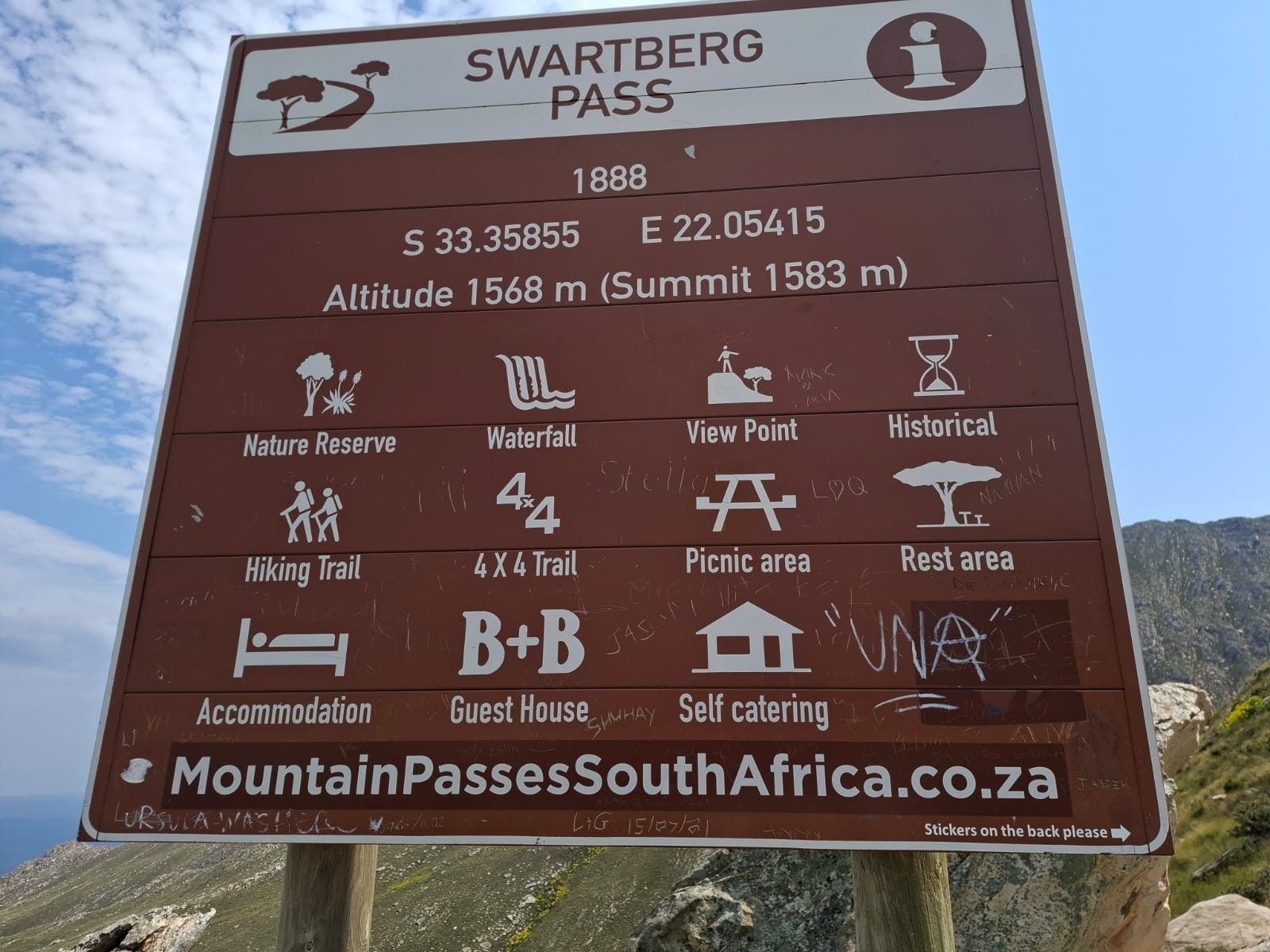
Of all the mountain passes in South Africa — and there are a great many spectacular ones — the Swartberg Pass is the one engineers and road-trippers alike tend to call the finest. It climbs over the Swartberg range between the Little Karoo town of Oudtshoorn and the tiny, picture-perfect Karoo village of Prince Albert, and it has done so, largely unchanged, since 1888.
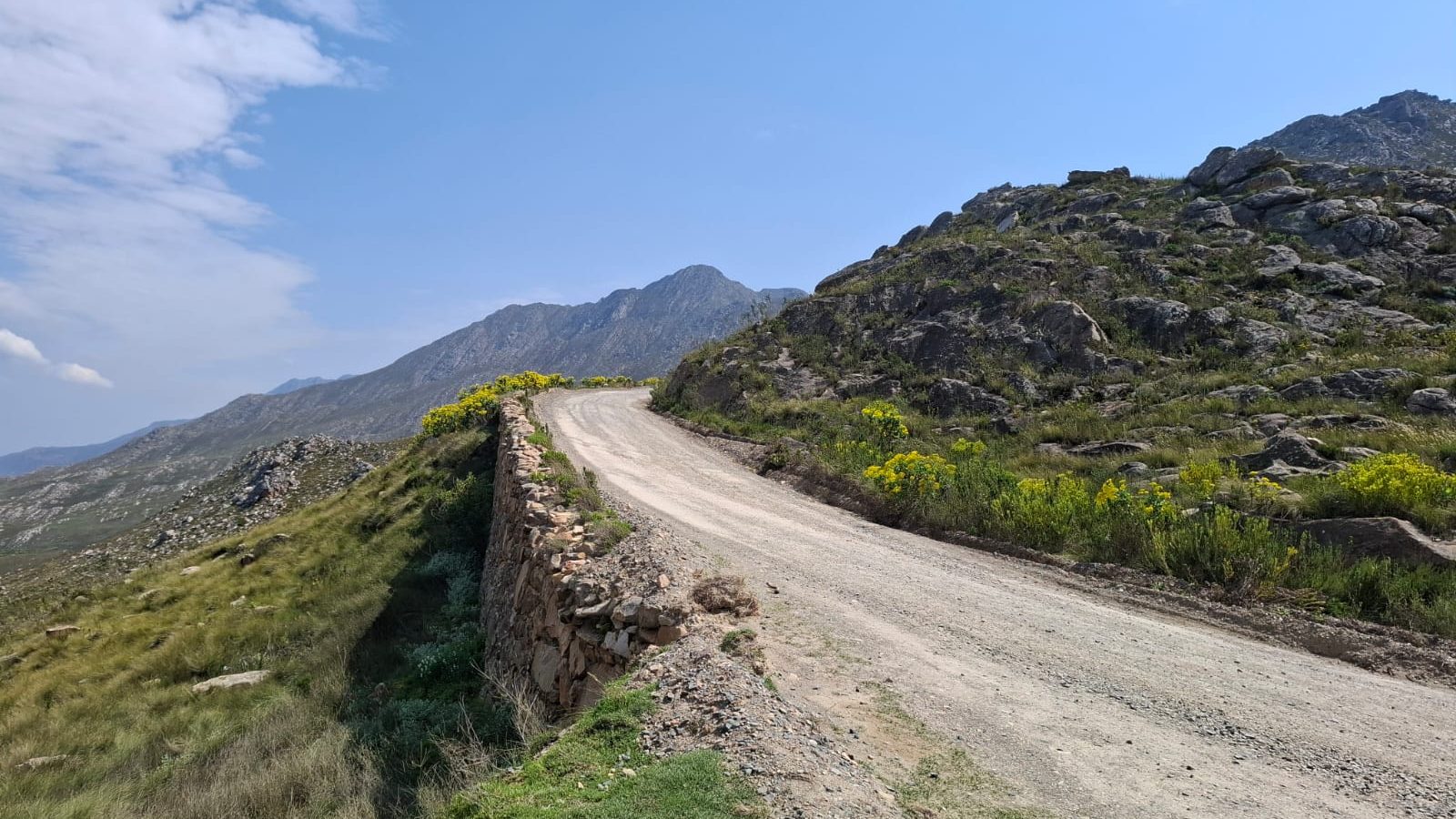
What makes it remarkable isn't just the scenery, though that alone would justify the detour. It's that the entire 24km of hairpin bends, retaining walls and cuttings through solid rock was built using picks, shovels and dynamite — with no mortar at all in the dry-stone walls that still hold the gravel road to the mountainside today, well over a century on.
Thomas Bain's masterpiece
The pass was engineered by Thomas Bain, the son of pioneering road builder Andrew Geddes Bain and the most accomplished pass engineer the Cape ever produced. Built between 1881 and 1888, largely by convict labour working with hand tools, it's widely considered Bain's finest achievement among dozens of Cape passes — and one of the best-preserved examples of 19th-century road engineering anywhere in the world. It's a national monument today, and it's easy to see why: every retaining wall, culvert and hairpin was placed by hand, and the road still carries traffic exactly as it was built to.
Hairpins, a red-rock gorge, and the summit
The drive itself is the whole point. From the Oudtshoorn side, the road winds up through a dramatic gorge of red and ochre rock, crossing the Grootrivier at a shallow, usually ankle-deep ford before climbing in earnest — a proper slow-down-and-look-around stretch with towering rock faces on both sides.
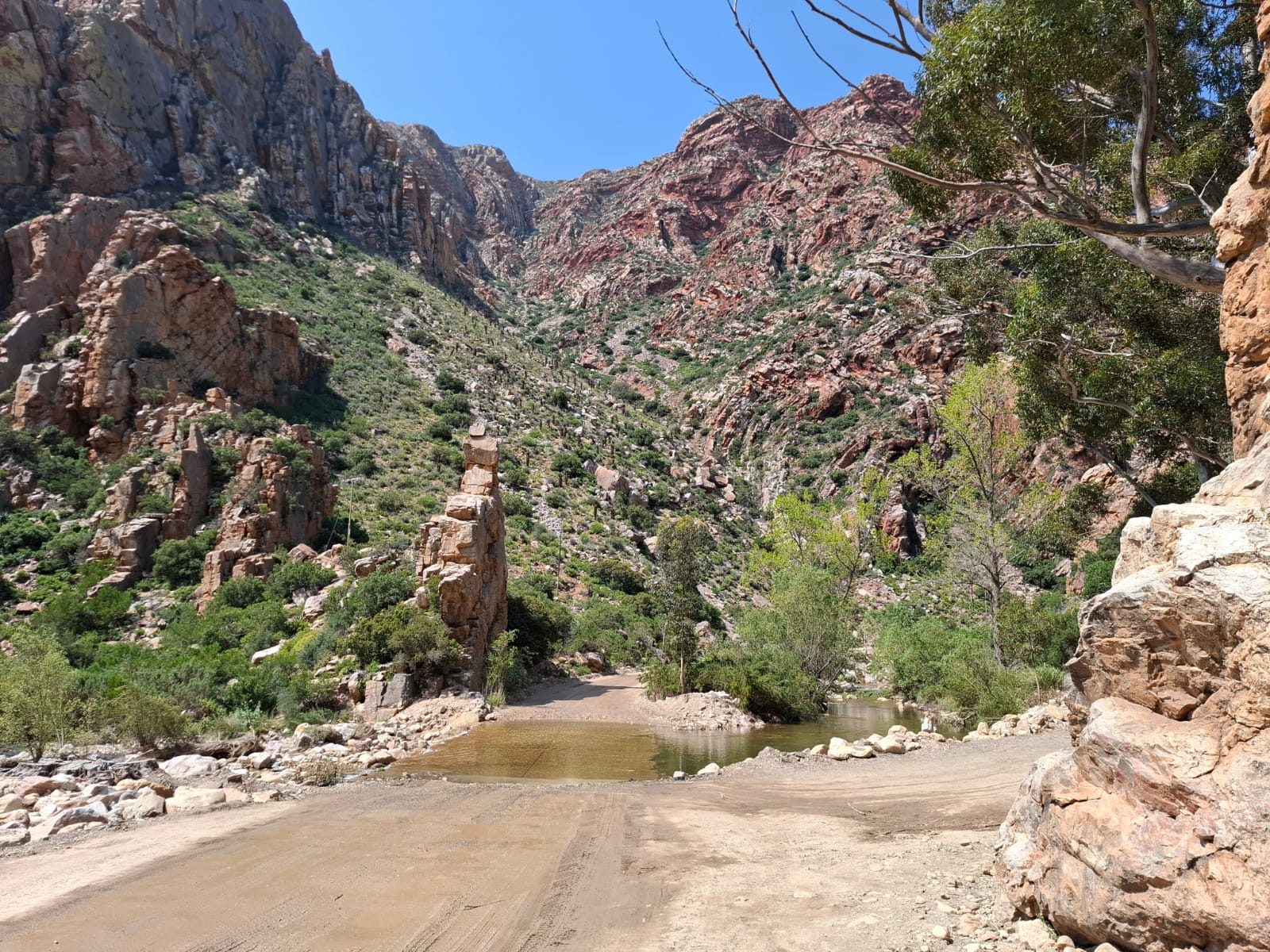
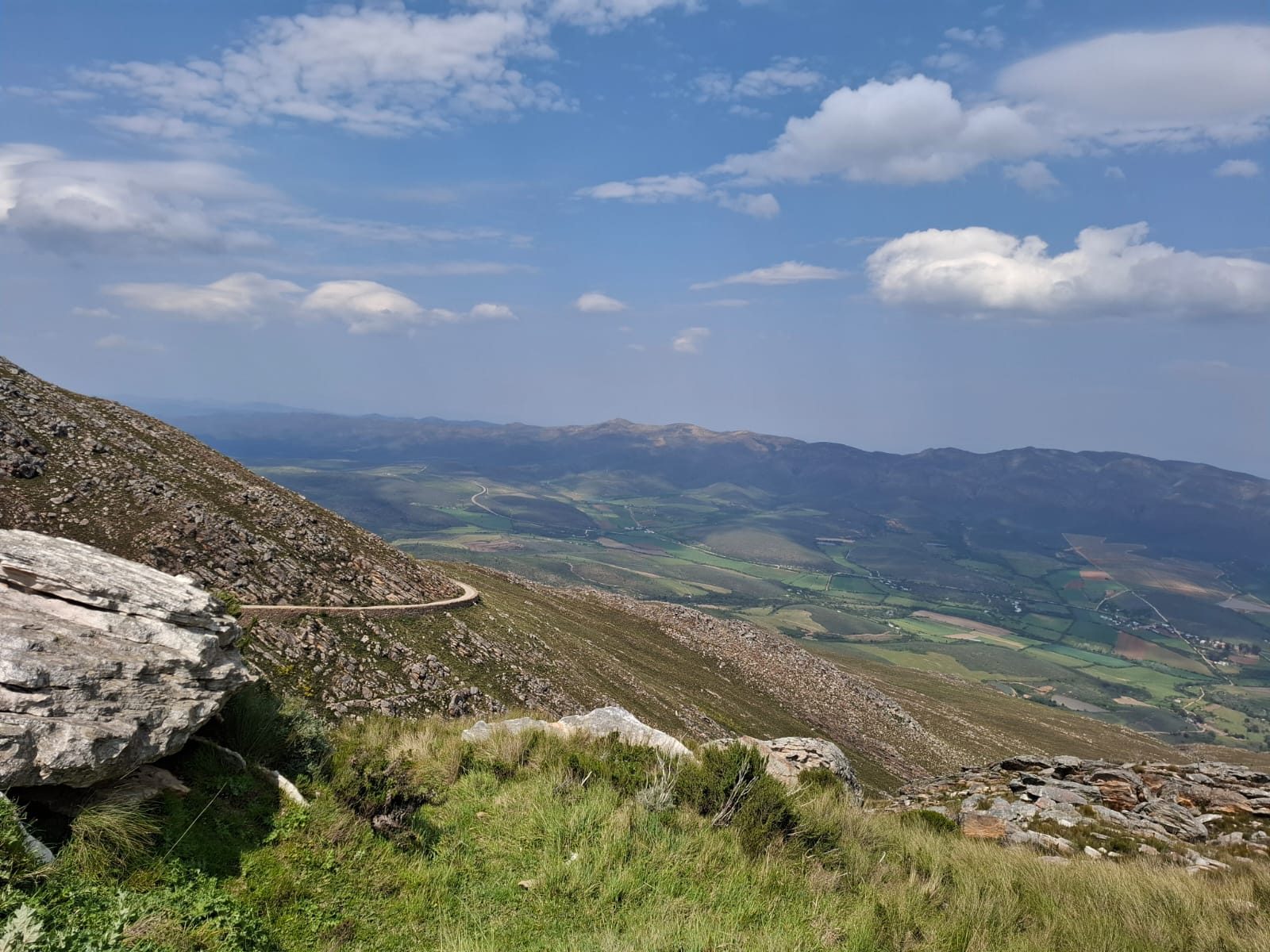
From there the road climbs through switchback after switchback, each one tracing the mountainside along a dry-stone wall that drops away sharply on one side. At the summit — 1,583 metres above sea level — the views open out over both the Little Karoo behind you and the vast, pale sweep of the Great Karoo ahead, with the road itself visible snaking away down the far slope.
Good to know before you go
The Swartberg Pass has never been tarred — part of why its 1880s character survives so intact — so it's a gravel drive requiring a bit of care, though a normal car manages it comfortably in good weather at a sensible pace. It's not suited to caravans or low-clearance vehicles after rain, and the summit occasionally sees snow in winter (June–August), which can close the road temporarily. Outside of that, it's open and driveable year-round, and quieter than you'd expect for a road this celebrated.
How it fits a road trip with Cheryl
The Swartberg Pass sits too far from Cape Town for a single-day trip — it's the kind of place that rewards slowing down, not ticking off. It belongs on a multi-day Route 62 loop or as part of a longer Garden Route journey, paired naturally with Oudtshoorn's Cango Caves and ostrich farms on one side, and the quiet Karoo charm of Prince Albert — known for its olives, its historic street and its easy pace — on the other.
Cheryl has been driving the roads of the Western and Great Karoo for years, and builds the Swartberg Pass into longer itineraries for guests who want more than the coast — tell her how many days you have, and she'll shape a route around it.