The most cheerful sight on the Cape coast
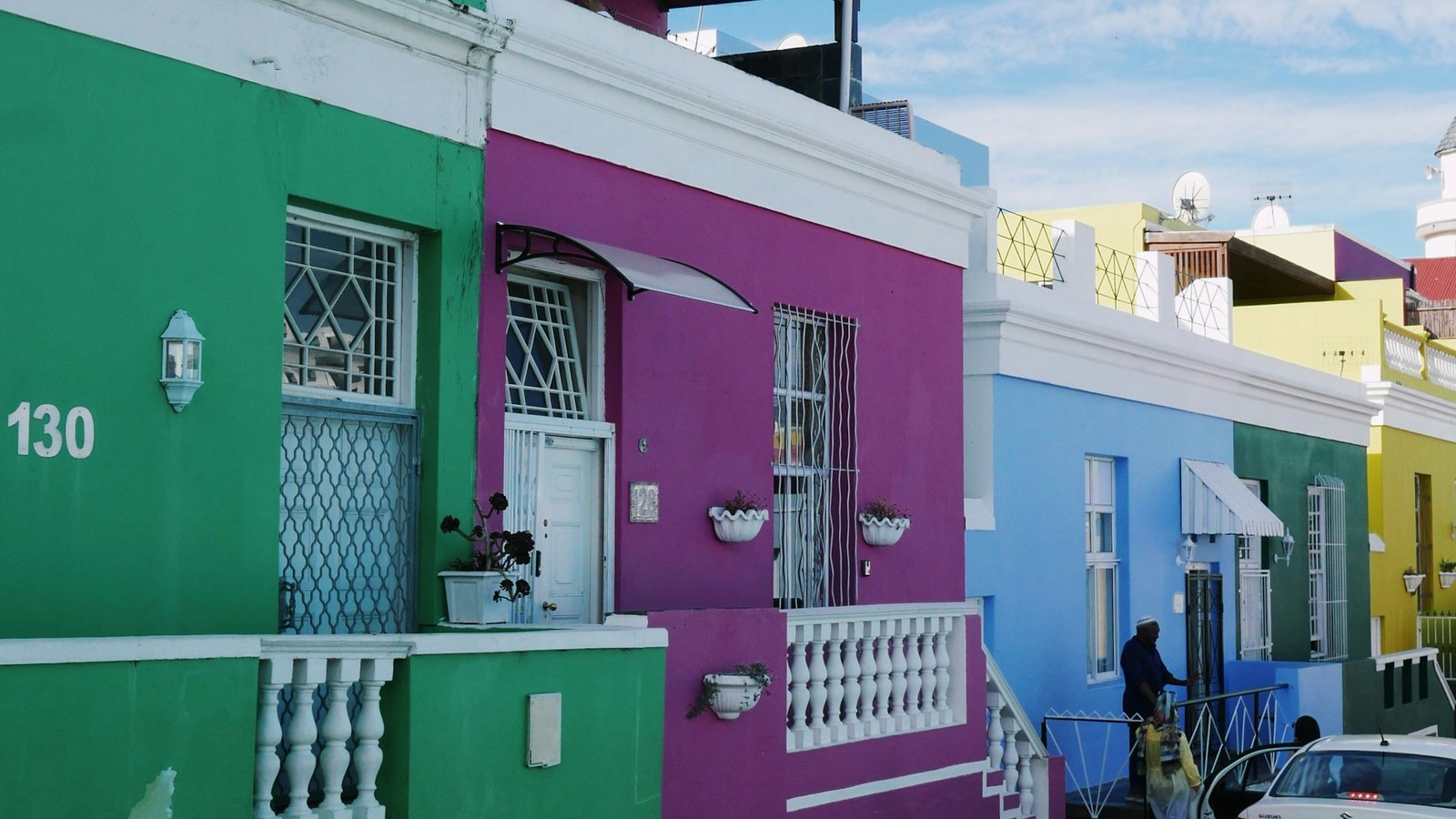
Some places just make you smile, and Muizenberg is one of them. Strung along its wide golden beach stands a row of little wooden bathing boxes painted in bright, clashing colours — postbox red, sunflower yellow, deep green, cobalt blue — each one facing the sea like a line of beach-holiday soldiers. They are, along with the Bo-Kaap, among the most photographed things in all of Cape Town, and they've been cheering up the shoreline for well over a century.
But Muizenberg is much more than a pretty photo. It's a proper, much-loved surf-and-swim beach on the warmer False Bay side of the Peninsula — the friendliest stretch of sand in the city, and the place generations of Capetonians first stood up on a surfboard.
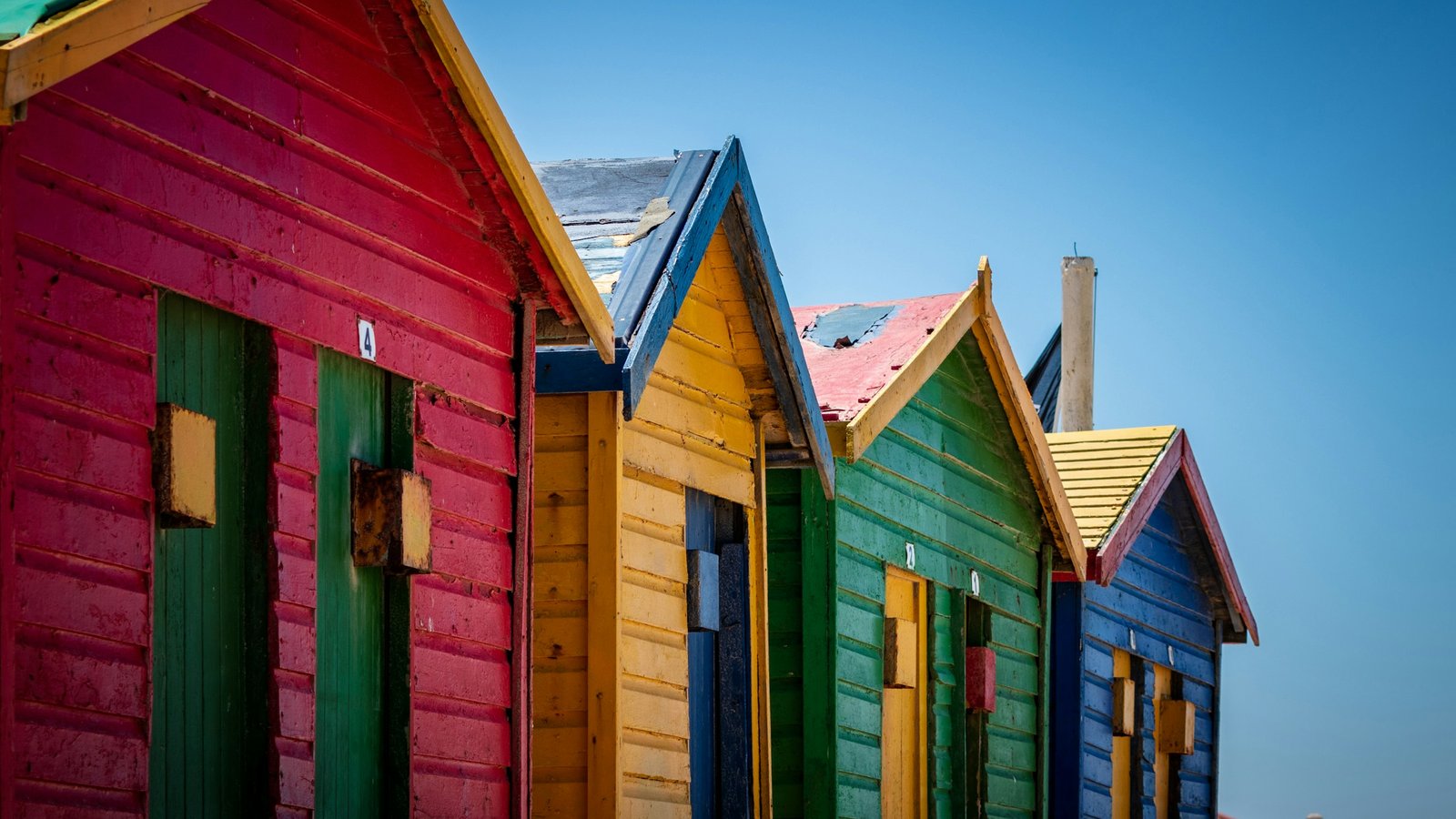
The colourful bathing boxes
The little huts are Victorian bathing boxes, a leftover from the more modest early 1900s, when Muizenberg was the fashionable seaside resort of the Cape and swimmers used them to change in privacy before stepping down onto the sand. Muizenberg drew the famous in those days — Agatha Christie learned to surf here in 1922, and mining magnate Cecil John Rhodes kept a cottage in the village.
Today the boxes are kept, and repainted, purely because everyone loves them — a splash of heritage colour that has become the beach's signature. They stand right at Surfer's Corner, so you can photograph the huts and watch the waves in the same glance.
The birthplace of South African surfing
If Cape Town has a spiritual home of surfing, it's here. Muizenberg's long, sandy-bottomed beach break rolls in gently and predictably — no rocks, no drama — which makes it the single best place in the city to learn to surf. Surfer's Corner is lined with surf schools and board-hire shacks, and on any given morning you'll see wetsuited beginners of every age catching their first white-water waves while more seasoned surfers work the outside sets.
It helps that the water is on your side. Muizenberg faces False Bay, which runs several degrees warmer than the icy Atlantic beaches on the other side of the Peninsula — so a surf lesson here is far more inviting than one at, say, Camps Bay.
A beach built for families
Even if you never touch a surfboard, Muizenberg is a wonderful place to simply spend a beach morning. It's a Blue Flag beach — long, flat and gently shelving — which makes it one of the safest and most relaxed places to swim and paddle with children in Cape Town. Behind the sand, the buzzy little strip of Surfer's Corner has coffee shops, ice cream, brunch spots and beach shops, so it's easy to make a half-day of it.
Whales, mountains and Boyes Drive
Muizenberg sits at the top of False Bay, and in whale season (roughly July to November) southern right whales cruise these waters — sometimes visible right from the beach. For the big view, the road climbs to Boyes Drive along the mountainside above the town, where you can look out over the whole sweep of the bay, the beach and the huts far below. It's one of the loveliest viewpoints on this side of the Peninsula, and a favourite whale-spotting perch. (If whales are your thing, don't miss our Hermanus whale-watching guide.)
Where Muizenberg fits your Cape Town day
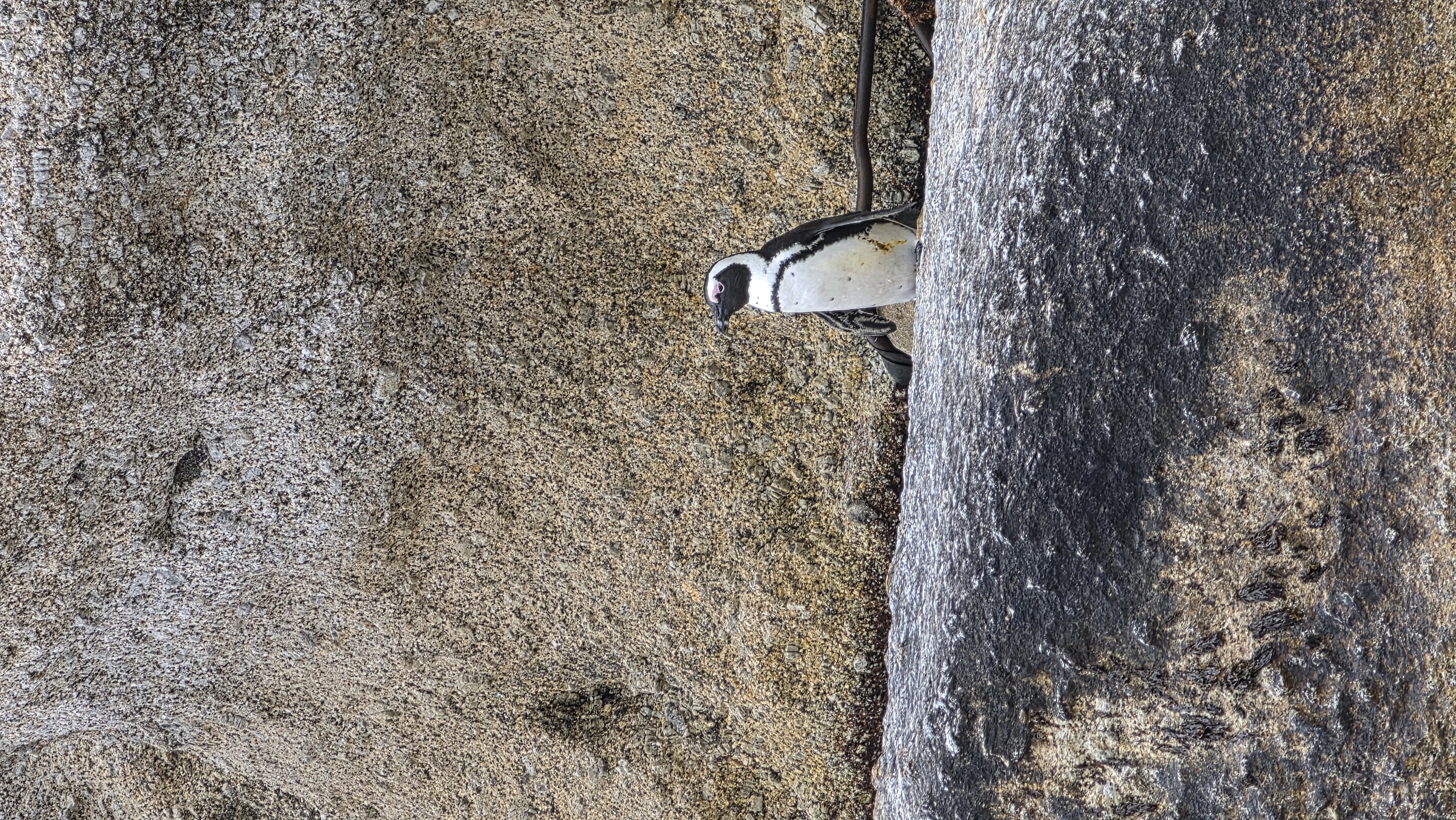
Here's the local secret: Muizenberg is the natural first stop on a Cape Peninsula day. Cheryl's Cape Point & Peninsula tour begins on this warmer False Bay side and works its way south — so a typical day might open with the Muizenberg huts, roll on through the artsy harbour village of Kalk Bay, reach the Boulders Beach penguins at Simon's Town, and carry on to Cape Point itself, before returning up the Atlantic coast to end at Camps Bay for sunset.
As a private tour, it all flexes around you: linger for a coffee and photos at the huts, add a surf lesson if someone's keen, or simply pause for the view from Boyes Drive. Cheryl — a registered Cape Town tourist guide — handles the driving, the timing and the local know-how, so the day unfolds at exactly your pace.