Why Robben Island matters
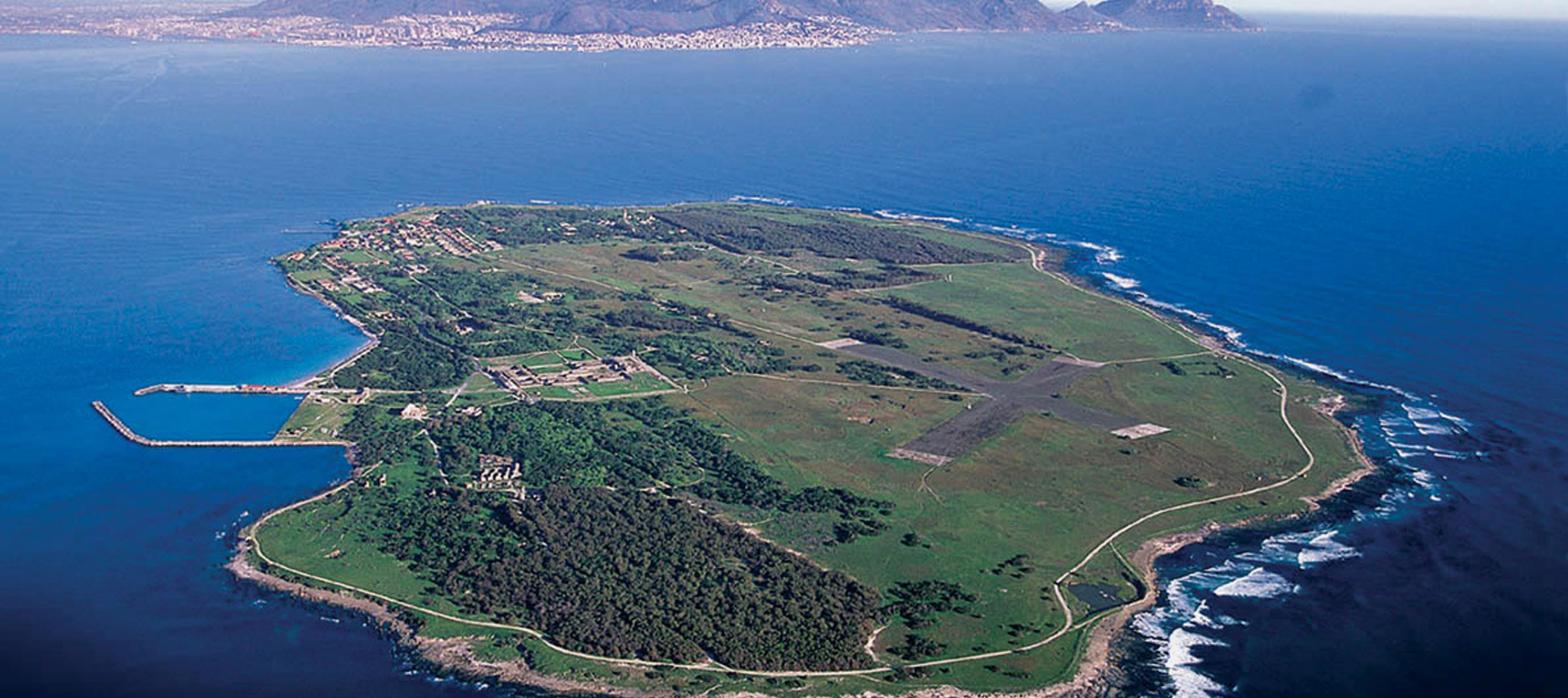
Out in Table Bay, about 7 km off the Bloubergstrand coast, sits a low, flat island you can see from Table Mountain on a clear day. For close to four centuries Robben Island was a place of banishment — a prison, a leper colony and a military base. Under apartheid it became South Africa's most notorious maximum-security prison for political prisoners.
Its most famous inmate was Nelson Mandela, who spent 18 of his 27 years in prison here. Today the island is a museum and a UNESCO World Heritage Site (listed in 1999), and a visit is less a sightseeing trip than a chance to understand how South Africa got to where it is now.
How the tour works
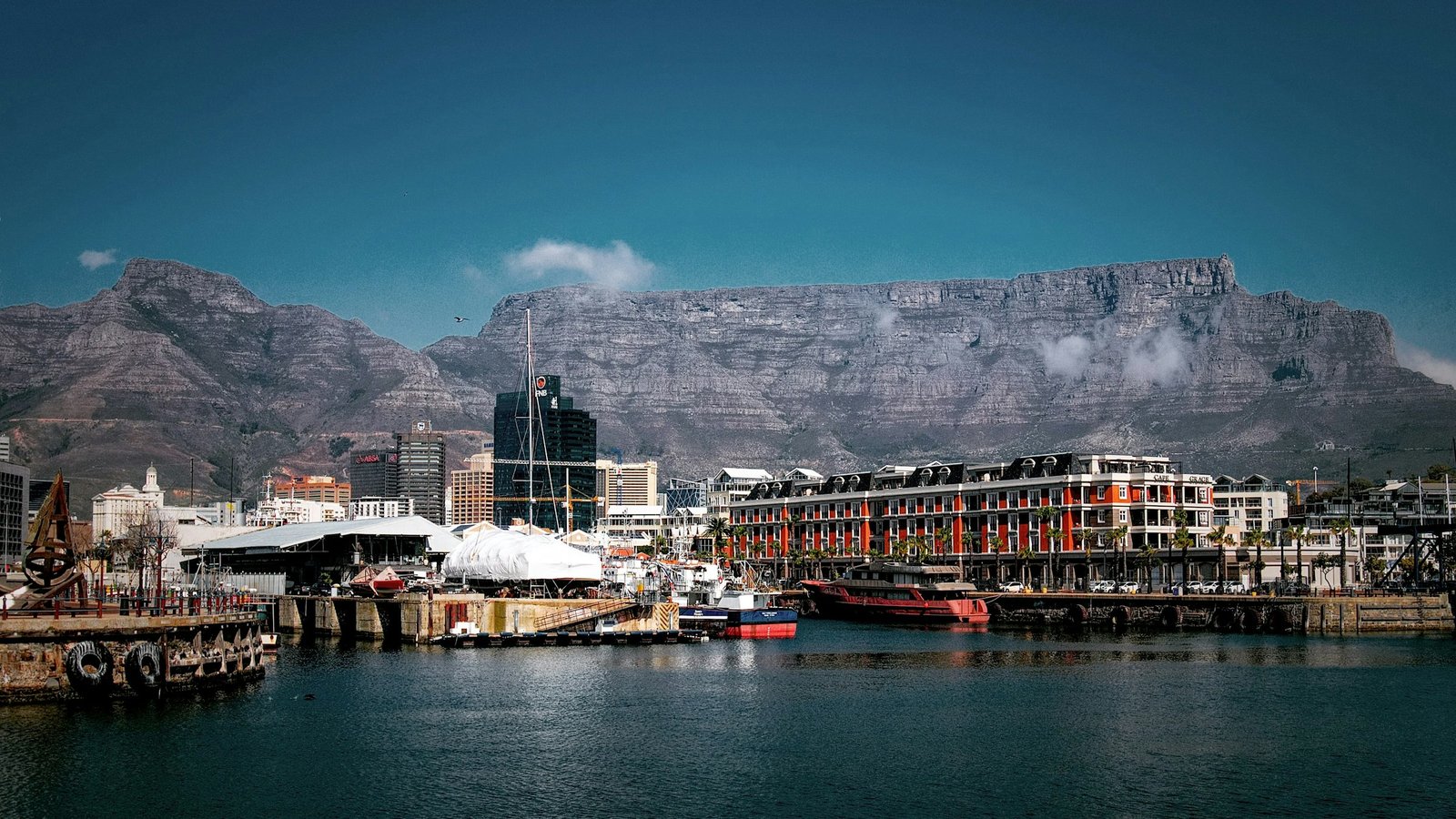
Every official tour starts at the Nelson Mandela Gateway at the V&A Waterfront, next to the Clock Tower. Ferries usually leave at 09:00, 11:00, 13:00 and 15:00, and the whole trip takes about three and a half hours from departure to return.
After the crossing you board a bus for a guided loop of the island. It takes in the lime quarry where Mandela and his fellow prisoners did hard labour, the house where PAC leader Robert Sobukwe was held in solitary confinement, the old leper graveyard, and a stop with one of the best views back across the water to Table Mountain.
The tour finishes with a walk through the Maximum Security Prison, often led by a former political prisoner who shares their own experience of life inside. The highlight for most visitors is Mandela's tiny cell in B-Section — a moment that stays with people long after they've left.
Tickets and booking
At the time of writing, the Robben Island Museum lists standard tickets at R600 for international adults (R310 for children under 18) and R400 for South African adults (R210 for children). The price includes the return ferry and both guided parts of the tour. There's also a longer walking tour on Fridays to Sundays for those who want more time on the island.
Book online through the official Robben Island Museum website as early as you can — tours regularly sell out, especially in the December–February peak season. Prices change, so check the current rates when you book.
Tips for the day
Keep a spare day. Crossings are cancelled when the wind and swell make the sea unsafe, which happens more often in winter. If your trip matters to you, don't leave it to your last day in Cape Town.
Go early. The morning ferries tend to have calmer water and softer light. Arrive at the Gateway at least 30 minutes before departure, take a warm layer for the ferry, and if you're prone to seasickness, take something before you board.
Look out for wildlife. The island is home to a colony of African penguins, along with seabirds, and you may spot seals and dolphins on the crossing.
How it fits a day with Cheryl
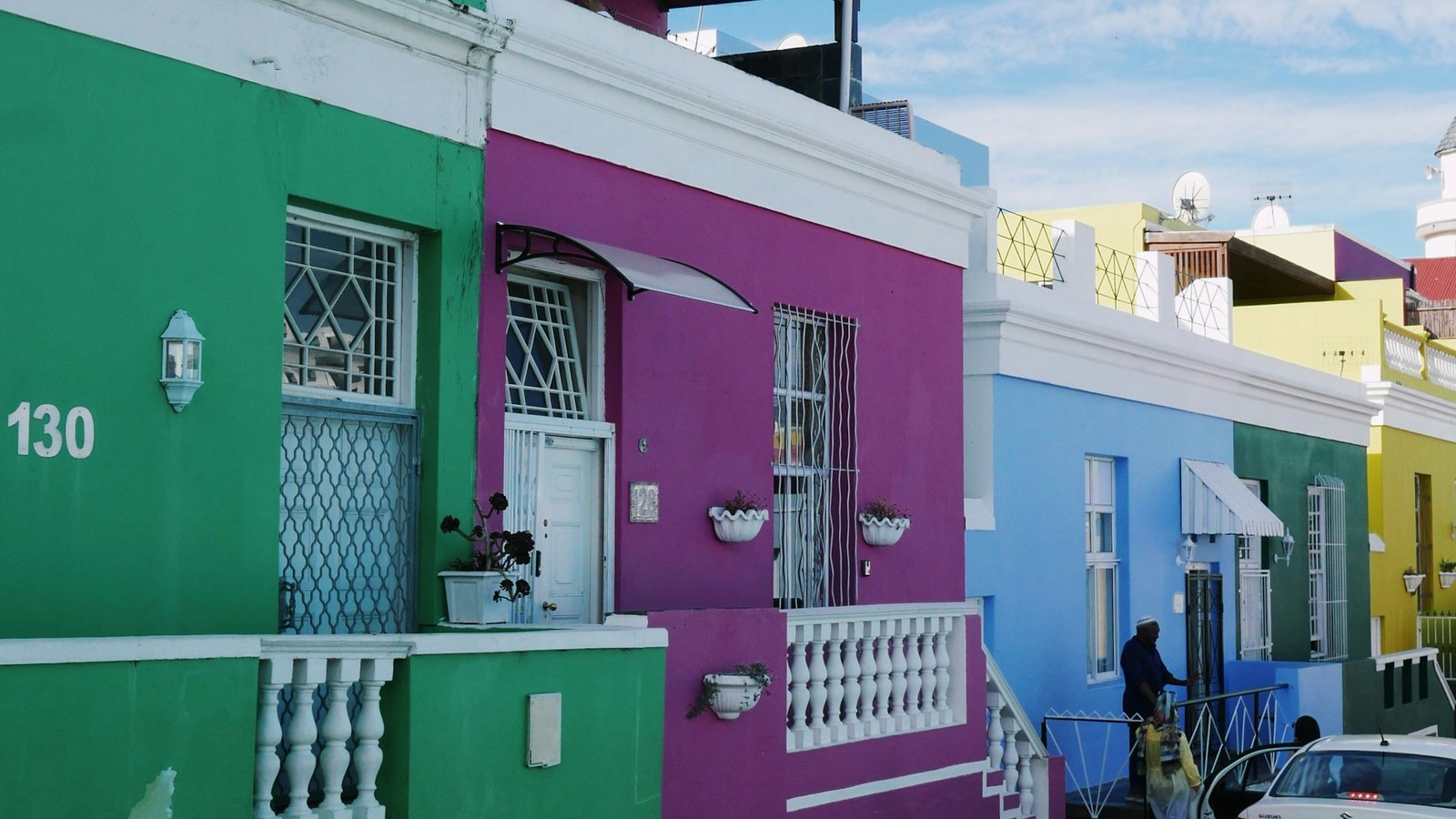
Robben Island takes up a morning or an afternoon, which leaves plenty of the day for something else. Cheryl can drop you at the Nelson Mandela Gateway in good time for check-in and be waiting when the ferry docks — then carry on to the colourful streets of the Bo-Kaap or up Signal Hill for sunset.
Planning around the weather? Our month-by-month guide to visiting Cape Town will help you pick the best time, and Cheryl is happy to rework the day if your ferry is called off.